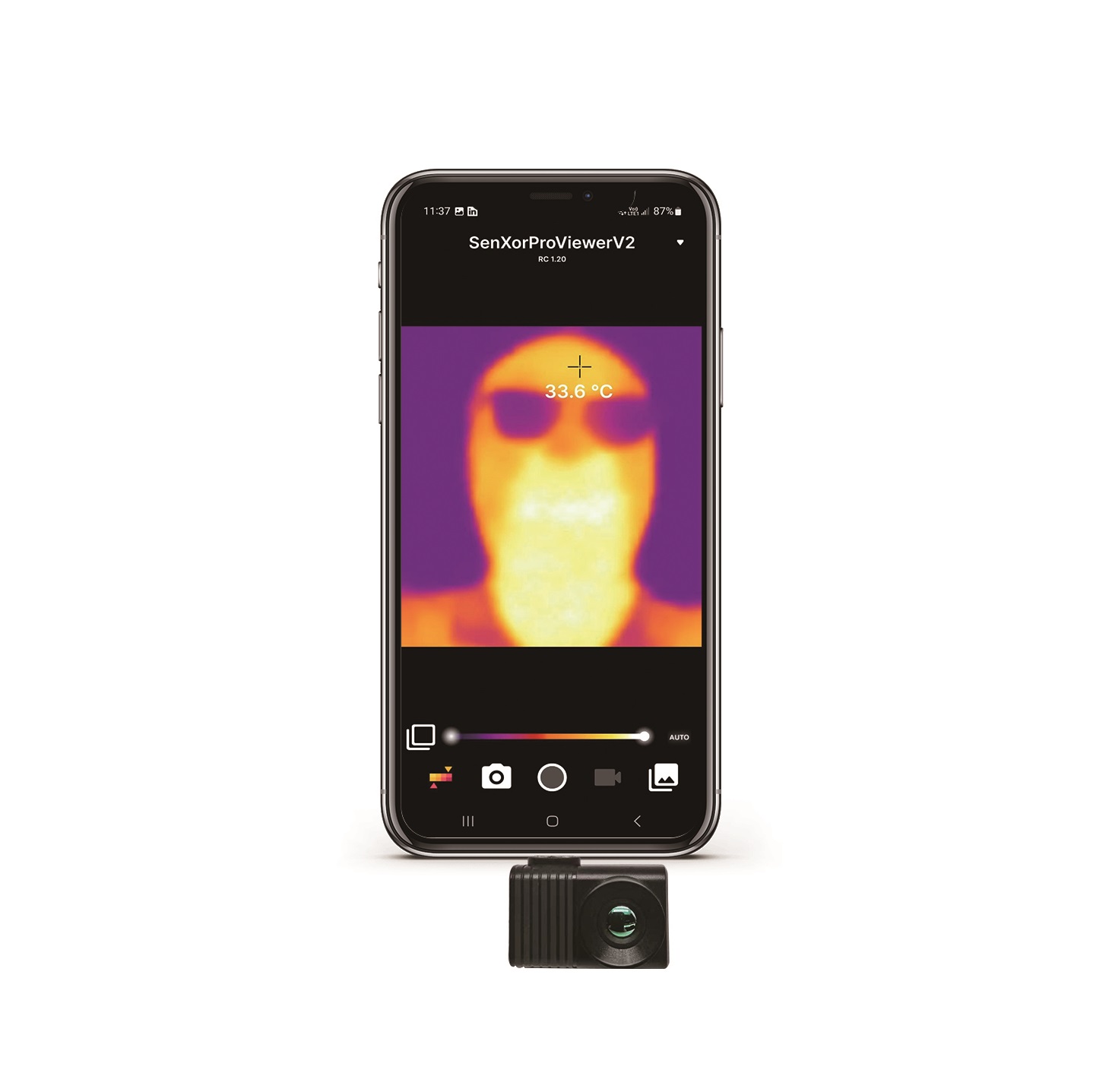
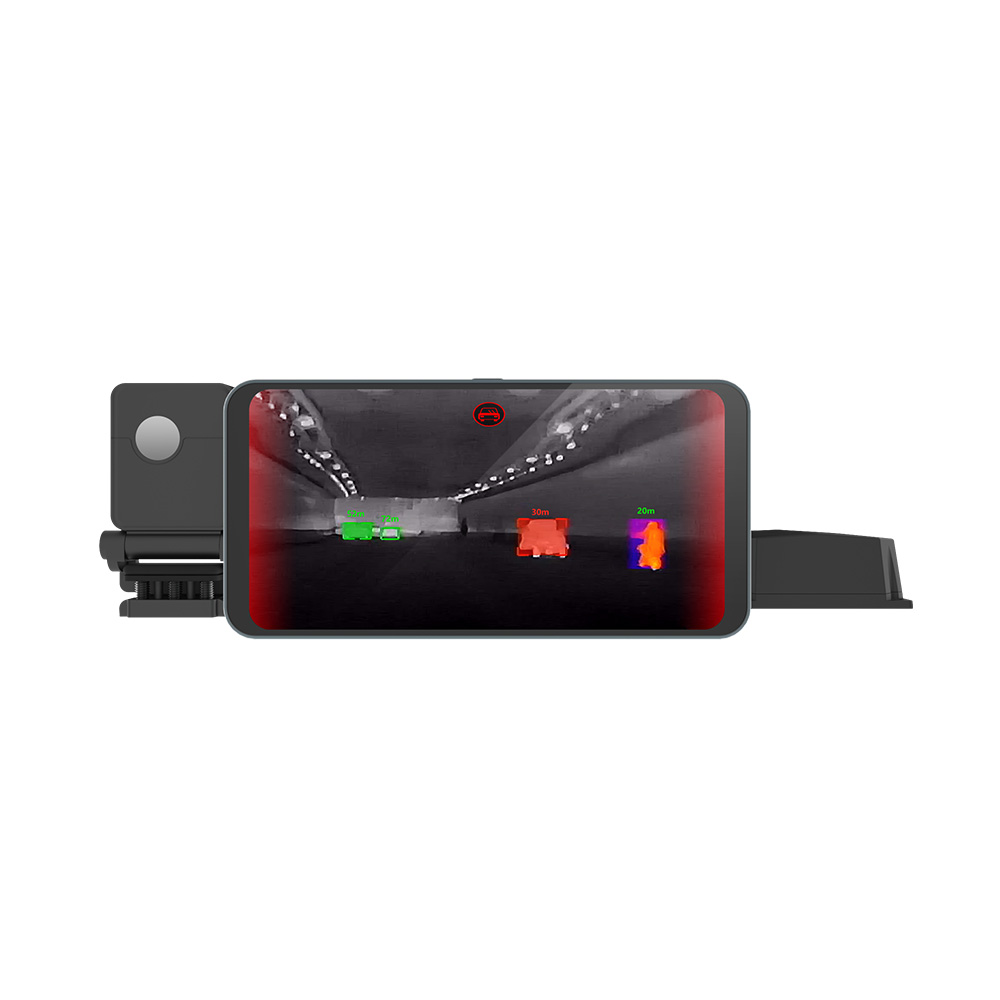


Best Long Range Thermal Camera Module for AI & Drone Integration: OEM/ODM Guide
2026年7月22日
640x512 Arduino-Compatible UART Thermal Camera Module: High-Res Integration Guide
2026年7月23日
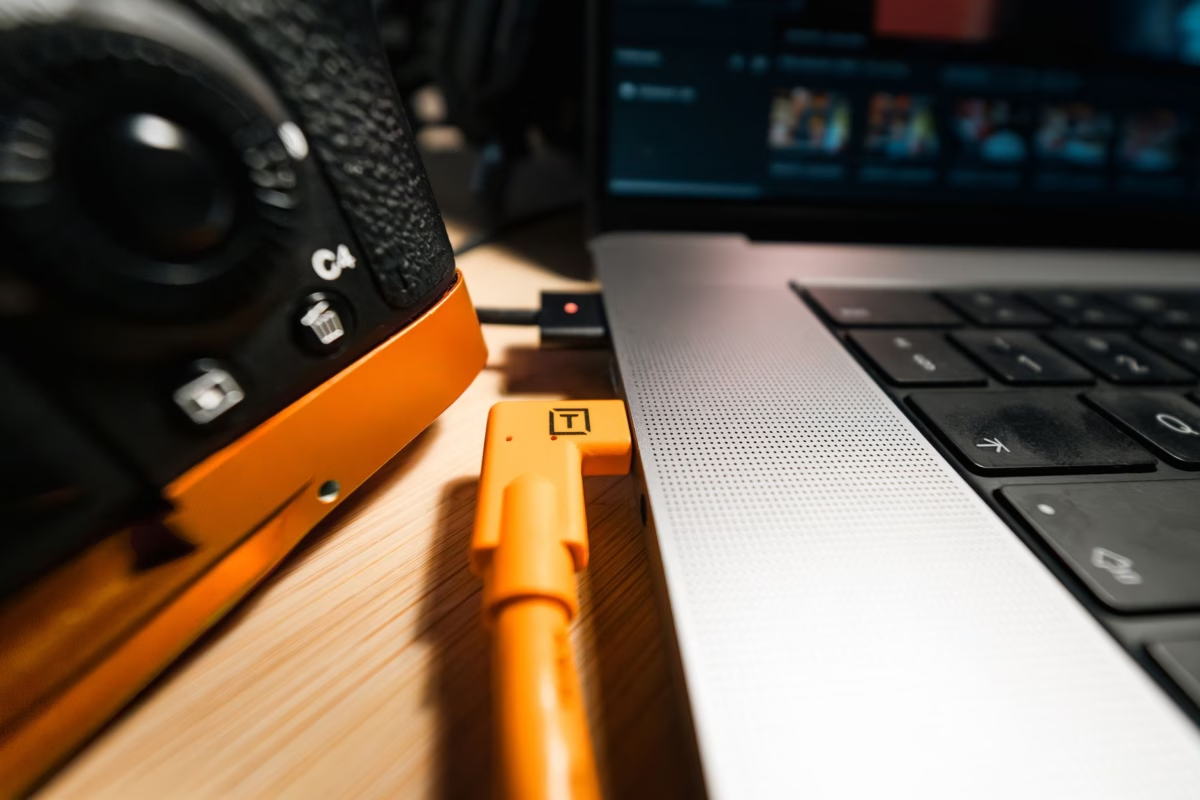
640x512 Thermal Camera Module USB UVC: Premium Plug-and-Play LWIR for UAV & Robotics Integration
1. Introduction & Dual-TOC Plan
Look, if you've ever tried sticking a thermal imaging payload onto a drone, an autonomous ground robot, or an edge monitoring rig, you already know the pain: you usually end up battling heavy hardware, proprietary frame-grabbers, and nightmare software drivers. Here's the deal—the 640x512 Thermal Camera Module with USB UVC (USB Video Class) changes that entire setup. By combining high-resolution 640x512 microbolometer tech with universal, driverless USB communication, you can bypass proprietary SDK bottlenecks entirely. That means you can stream raw radiometric thermal data directly into Linux, Windows, or Android hosts without tearing your hair out over driver compatibility. Operating in the 8–14 μm spectral range, these LWIR cores deliver razor-sharp thermal vision for target recognition, night operations, and real-time gear diagnostics without eating up your payload budget.
In airborne and mobile robotics engineering, every single gram and milliwatt counts. In the shop, we've seen traditional thermal setups drag down builds because they require custom FPGA interface cards just to convert parallel or CameraLink video into usable network streams. That adds unnecessary Size, Weight, Power, and Cost (SWaP-C). A native USB UVC module simplifies the entire architecture by treating the thermal sensor core as a simple, standard plug-and-play USB camera. Whether you're hooking it up to an onboard companion computer like an NVIDIA Jetson for real-time edge processing or mounting it into a custom gimbal, this 640x512 LWIR UVC module gives you a straight, clean path from bench prototype to production deployment.
Table of Contents
- 👉 1. Introduction & Dual-TOC Plan
- 👉 2. Physics & Architecture of 640x512 LWIR USB UVC Modules
- 🔹 2.1 Microbolometer Physics & 12μm Pixel Pitch Advantages
- 🔹 2.2 USB UVC Protocol Stack: Driverless V4L2 & OS Abstraction
- 👉 3. Hardware Integration & Airborne SWaP Optimization
- 🔹 3.1 Ultra-Compact Form Factor (21mm × 21mm) & Weight Reduction
- 🔹 3.2 Germanium Lens Optics Selection (5mm to 150mm) & FOV Calculations
- 👉 4. Radiometric Data Extraction & Edge AI Workflows
- 🔹 4.1 Dual-Stream Processing: Radiometric Raw Data vs. Colorized Video
- 🔹 4.2 Computer Vision Integration via OpenCV
- 👉 5. Premium LWIR Thermal Camera Modules: Specs & Technical Comparison
- 👉 6. Deep-Dive Integration FAQ
2. Physics & Architecture of 640x512 LWIR USB UVC Modules
2.1 Microbolometer Physics & 12μm Pixel Pitch Advantages
Long-Wave Infrared (LWIR) thermal sensors don't care about ambient visible light. They register thermal energy naturally emitted by everything above absolute zero (0 K or -273.15 °C). Standard optical sensors rely on reflected visible photons, but an uncooled LWIR camera module uses a focal plane array (FPA) of microbolometers calibrated for the 8–14 micrometre (μm) atmospheric transmission window. Moisture and smoke barely scatter signals in this band, which makes it perfect for zero-light tactical operations, search and rescue, and industrial heat inspection.
Under the hood, these modern thermal modules pack Vanadium Oxide (VOx) or Amorphous Silicon (α-Si) thin films suspended above a silicon readout integrated circuit (ROIC) on microscopic thermal isolation bridges. When infrared photons hit the microbolometer, the material heats up and shifts its electrical resistance (measured via its Temperature Coefficient of Resistance, or TCR). An onboard Analog Front-End (AFE) and ROIC instantly digitize that resistance change into a raw 14-bit value for each individual pixel across the matrix.
Stepping up from legacy 17μm pitch detectors to a 12μm pixel pitch is a massive win for airborne and mobile robotic systems. The math tells the story clearly:
FPA Horizontal Width (640x512, 17μm) = 640 × 17 μm = 10.88 mm
FPA Horizontal Width (640x512, 12μm) = 640 × 12 μm = 7.68 mm
Shrinking that pixel pitch down to 12μm trims the sensor array footprint by nearly 30% while retaining a full 640x512 resolution—putting 327,680 individual temperature measurement points on the grid. Here is why that matters in real-world integration:
- ✅ Shrink Your Optics Mass: A smaller sensor array means a tighter image circle. Germanium (Ge) lenses built for 12μm sensors require noticeably smaller glass diameters to match the same Field of View (FOV). That takes a huge bite out of your lens assembly mass and reduces gimbal motor torque requirements.
- ✅ Longer Detection, Recognition, & Identification (DRI) Ranges: Because 12μm pixels pack target energy into tighter spatial angles, objects downrange cover more pixels. You get better long-range target recognition without strapping a giant, heavy telephoto optic onto your frame.
- ✅ Lower Thermal Inertia & Thermal Lag: Micro-scale 12μm detector elements carry smaller thermal mass. They react faster to temperature shifts, reducing thermal motion blur when your drone makes fast turns or high-speed sweeps.
2.2 USB UVC Protocol Stack: Driverless V4L2 & OS Abstraction
If you've ever had to write custom drivers for legacy thermal cores using Parallel CMOS, CameraLink, or oddball SPI/UART bridges, you know it's a software maintenance nightmare. You end up stuck with proprietary SDK binaries, FPGA interface boards, and broken kernel updates. The true strength of this 640x512 LWIR USB core comes down to native USB Video Class (UVC) support.
Inside the module, an integrated USB microcontroller exposes standard UVC descriptors directly to the host machine's USB controller bus. The hardware handshake happens seamlessly in four steps:
- ⚙️ 1. Physical USB Hookup: Plug the core into any standard USB 2.0 High-Speed or USB 3.0 port using micro-USB, Type-C, or a rugged 4-pin Molex/JST header.
- ⚙️ 2. Driverless Enumeration: The host OS (Linux kernel
uvcvideodriver, WindowsDirectShow, or macOSAVFoundation) queries the camera core's Vendor ID (VID) and Product ID (PID). It identifies the core as an industry-standard video class device—zero custom third-party drivers needed. - ⚙️ 3. Kernel Device Node Creation: On Linux setups (like an NVIDIA Jetson or Raspberry Pi), the OS automatically spins up a Video4Linux2 node (e.g.,
/dev/video0). - ⚙️ 4. Isochronous Thermal Streaming: The module pushes uncompressed or frame-packed thermal frames across the bus via USB isochronous transfers. This ensures rock-solid latency and dedicated bus throughput for computer vision and flight navigation pipelines.
Beyond standard 8-bit YUYV or NV12 display frames, high-grade UVC thermal modules expose raw frame formats (like 16-bit Y16 structures). This lets software engineers grab pure 14-bit radiometric digital counts straight from the sensor core using basic V4L2 ioctl memory buffer calls.
3. Hardware Integration & Airborne SWaP Optimization
3.1 Ultra-Compact Form Factor (21mm × 21mm) & Weight Reduction
When you're building small Unmanned Aerial Systems (sUAS) or autonomous ground rovers, hardware dimensions and gram-level mass budgets rule your design. Extra weight eats battery capacity, cuts flight times, and forces you to use bigger gimbal motors that draw even more juice.
With an ultra-small 21mm × 21mm board profile, this 640x512 thermal core weighs under 15 grams without optics. That tiny footprint gives you extreme flexibility when packaging tight payloads:
- ✅ Precision Micro-Gimbals: The square 21mm frame sits right at the center of rotation on small 2-axis or 3-axis brushless gimbals, keeping rotational inertia low.
- ✅ Handheld & Embedded Gear: Easily slides into custom industrial inspection wands, breaker panel monitoring tools, or compact security enclosures.
- ✅ Rugged Ground Robots: Fits flush behind protective windows on bumper assemblies or sensor masts for all-weather nocturnal driving.
Because the unit draws standard 5V DC power directly through the USB cable, you can ditch extra power regulation boards, step-down converters, and extra wiring looms. Power draw stays under 1.2 Watts during typical operation. If you're designing custom flight pods, check out our engineering rundown on drone thermal imaging pods.
3.2 Germanium Lens Optics Selection (5mm to 150mm) & FOV Calculations
Standard glass lenses block LWIR light (8–14 μm). Instead, LWIR optical elements are ground from single-crystal Germanium (Ge), Chalcogenide glass, or Silicon. Germanium has a high refractive index (~4.0 in the thermal band), which allows optical designers to craft short, high-efficiency lenses when paired with custom anti-reflective (AR) coatings.
Choosing the right focal length comes down to target distance: wide lenses excel at close-quarters navigation and equipment checks, while longer telephotos give you the reach needed for high-altitude inspection and perimeter surveillance.
The Horizontal Field of View ($FOV_H$) and Vertical Field of View ($FOV_V$) for a 640x512 12μm array ($H = 640 \times 0.012\text{ mm} = 7.68\text{ mm}$, $V = 512 \times 0.012\text{ mm} = 6.144\text{ mm}$) can be mapped out using straightforward trigonometry:
FOVH = 2 × arctan( H / (2 × f) ) and FOVV = 2 × arctan( V / (2 × f) )
Where f is the effective focal length of your Germanium lens in millimeters.
| Focal Length (f) | Horizontal FOV | Vertical FOV | Target Mission Application & Operational Profile |
|---|---|---|---|
| 5 mm | 75.1° | 63.1° | Wide-angle robotic indoor steering, close-range cabinet checks, immediate collision avoidance. |
| 9 mm | 46.2° | 37.7° | Agricultural crop mapping, low-altitude wide-area drone surveying, search-and-rescue sweeps. |
| 13 mm | 32.9° | 26.5° | Standard tactical reconnaissance flights, roof heat-loss thermography, utility pole diagnostics. |
| 18 mm | 24.1° | 19.4° | Solar panel hotspot checks, powerline joint inspection, mid-altitude inspection flights. |
| 35 mm | 12.5° | 10.0° | Mid-range perimeter defense, forest fire monitoring, anti-poaching wildlife tracking. |
| 50 mm | 8.8° | 7.0° | Long-range fixed security, high-altitude target tracking, coastal surveillance mounts. |
| 75 mm | 5.8° | 4.7° | Extended DRI target identification, standoff military scouting, long-range base defense. |
| 100 / 150 mm | < 4.4° | < 3.5° | Ultra long-range telephoto observation towers, military border security, vessel tracking. |
4. Radiometric Data Extraction & Edge AI Workflows
4.1 Dual-Stream Processing: Radiometric Raw Data vs. Colorized Video
When you're designing software for an embedded thermal camera, you need to understand the difference between visual preview video and raw radiometric data streams.
1. Visual AGC Video Stream (8-Bit Display Mode):
In basic preview mode, the camera core's internal Image Signal Processor (ISP) grabs high-dynamic 14-bit raw microbolometer data and compresses it down into an 8-bit frame (like YUYV or NV12). The ISP runs Automatic Gain Control (AGC), Digital Detail Enhancement (DDE), dynamic histogram flattening, and color palette maps (White Hot, Black Hot, Ironbow, Rainbow). This stream is ideal if you just want to pass human-viewable video down a digital video link to a ground display screen.
2. Radiometric Data Stream (14-Bit Temperature Engine):
If you're running automated heat monitoring or computer vision models, compressed 8-bit video won't cut it because target temperature values get squashed during AGC. In radiometric streaming mode, the module outputs raw 14-bit digital signal values ($S_{raw}$) wrapped inside a 16-bit container (like Y16 format). Every pixel value directly tracks the infrared radiation hitting that specific microbolometer cell.
To convert raw 14-bit values into real-world temperature values (Kelvin or Celsius), your software applies factory calibration data stored inside the camera's memory:
Tpixel (°C) = [ (Sraw × Kscale) + Toffset ] - 273.15
Where Kscale is the thermal sensitivity gain parameter and Toffset accounts for internal ambient temperature drift managed by the onboard Non-Uniformity Correction (NUC) routine.
4.2 Computer Vision Integration via OpenCV
Because the 640x512 module runs straight off native V4L2 USB drivers, computer vision devs can quickly build image pipelines using standard open-source tools like OpenCV on edge boards like the NVIDIA Jetson.
Here's a working Python snippet showing how to pull the live thermal stream, parse pixel values, track hotspots, and apply color maps in real time:
import cv2
import numpy as np

# Initialize the USB UVC Thermal Camera device (/dev/video0) via V4L2 backend
cap = cv2.VideoCapture(0, cv2.CAP_V4L2)

# Set input frame resolution to native 640x512 microbolometer dimensions
cap.set(cv2.CAP_PROP_FRAME_WIDTH, 640)
cap.set(cv2.CAP_PROP_FRAME_HEIGHT, 512)

# Set pixel format: 'Y16 ' for 14-bit raw radiometric, or 'YUYV' for visual color
cap.set(cv2.CAP_PROP_FOURCC, cv2.VideoWriter_fourcc(*'Y16 '))

if not cap.isOpened():
    print("Error: Could not open thermal camera video device node.")
    exit()

print("Streaming thermal video from 640x512 LWIR USB core...")

while True:
    ret, frame = cap.read()
    if not ret:
        print("Error: Frame grab failed.")
        break

    # Process 16-bit Radiometric Frame (Y16 mode)
    if frame.dtype == np.uint16:
        # Convert raw counts to approximate Celsius (assuming fixed scale factor)
        # T_celsius = (frame * 0.04) - 273.15

        # Locate minimum and maximum temperature points in frame
        min_val, max_val, min_loc, max_loc = cv2.minMaxLoc(frame)

        # Normalize 16-bit raw array to 8-bit range for visual overlay display
        display_frame = cv2.normalize(frame, None, 0, 255, cv2.NORM_MINMAX, dtype=cv2.CV_8U)
        colored_frame = cv2.applyColorMap(display_frame, cv2.COLORMAP_INFERNO)

        # Highlight highest temperature pixel (Hot Spot Detection)
        cv2.circle(colored_frame, max_loc, 7, (0, 0, 255), 2)
        cv2.putText(colored_frame, f"HOTSPOT: {max_val}", (max_loc[0] + 10, max_loc[1] - 10),
                    cv2.FONT_HERSHEY_SIMPLEX, 0.5, (0, 0, 255), 1)
    else:
        # Standard YUYV / RGB processed frame
        colored_frame = frame

    # Display image preview
    cv2.imshow("640x512 LWIR Edge AI Stream", colored_frame)

    if cv2.waitKey(1) & 0xFF == ord('q'):
        break

cap.release()
cv2.destroyAllWindows()
You can pipe these normalized arrays straight into hardware-accelerated inferencing frameworks (like TensorRT running YOLOv8 on NVIDIA Jetson) to lock onto targets, track people through smoke, or handle high-speed obstacle avoidance at 30 to 60 frames per second.
5. Premium LWIR Thermal Camera Modules: Specs & Technical Comparison
To help you pick the right camera core for your build, here is a side-by-side technical teardown comparing our primary high-resolution 640x512 module against our multi-interface MD-Series hardware.
| Technical Specification | Uncooled LWIR USB Mini 640x512 Thermal Camera Core | MD Series 384x288 Thermal Camera Core |
|---|---|---|
| Visual Preview |
|
|
| Sensor Array Resolution | 640 × 512 Pixels (640x480 native option available) | 384 × 288 Pixels |
| Pixel Pitch & Detector Type | 12 μm Pixel Pitch / Uncooled VOx Microbolometer | 12 μm Pixel Pitch / Uncooled VOx Microbolometer |
| Spectral Response Band | 8 μm – 14 μm (Long-Wave Infrared) | 8 μm – 14 μm (Long-Wave Infrared) |
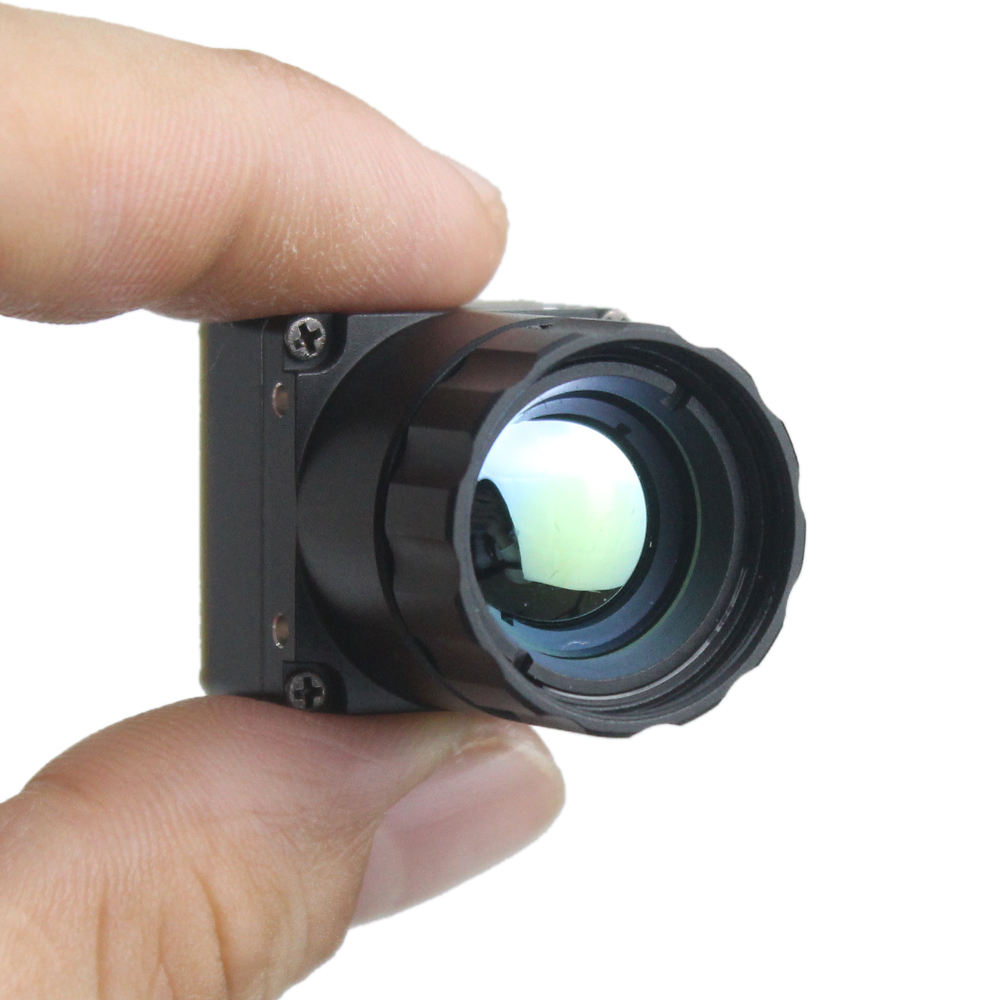
| Core Dimensions & Weight | Ultra-Miniature 21mm × 21mm (< 15g core weight) | Compact Industrial Module Footprint |
| Primary Host Interfaces | Direct USB UVC Protocol (Plug-and-Play Driverless) | Multi-Interface: MIPI / USB / CVBS Output Options |
| Optics Configuration Options | 5 / 9 / 13 / 18 / 35 / 50 / 75 / 100 / 150 mm Fixed Germanium Optics | Multiple Germanium Fixed Focal Length Options |
| Target Integration Platforms | Commercial UAV Pods, Micro-Gimbals, Edge AI SBCs | Industrial Security, Monitoring Robotics, Enclosure Inspection |
| Engineering & Custom Support | Full OEM/ODM Mechanical Mount & Custom Wiring Options | Engineered by HKUST & Former Huawei HiSilicon Tech Lead Team |
Featured Product Showcase & Technical Breakdown
1. Uncooled LWIR USB Mini 640*512 Thermal Imaging Camera Core Module
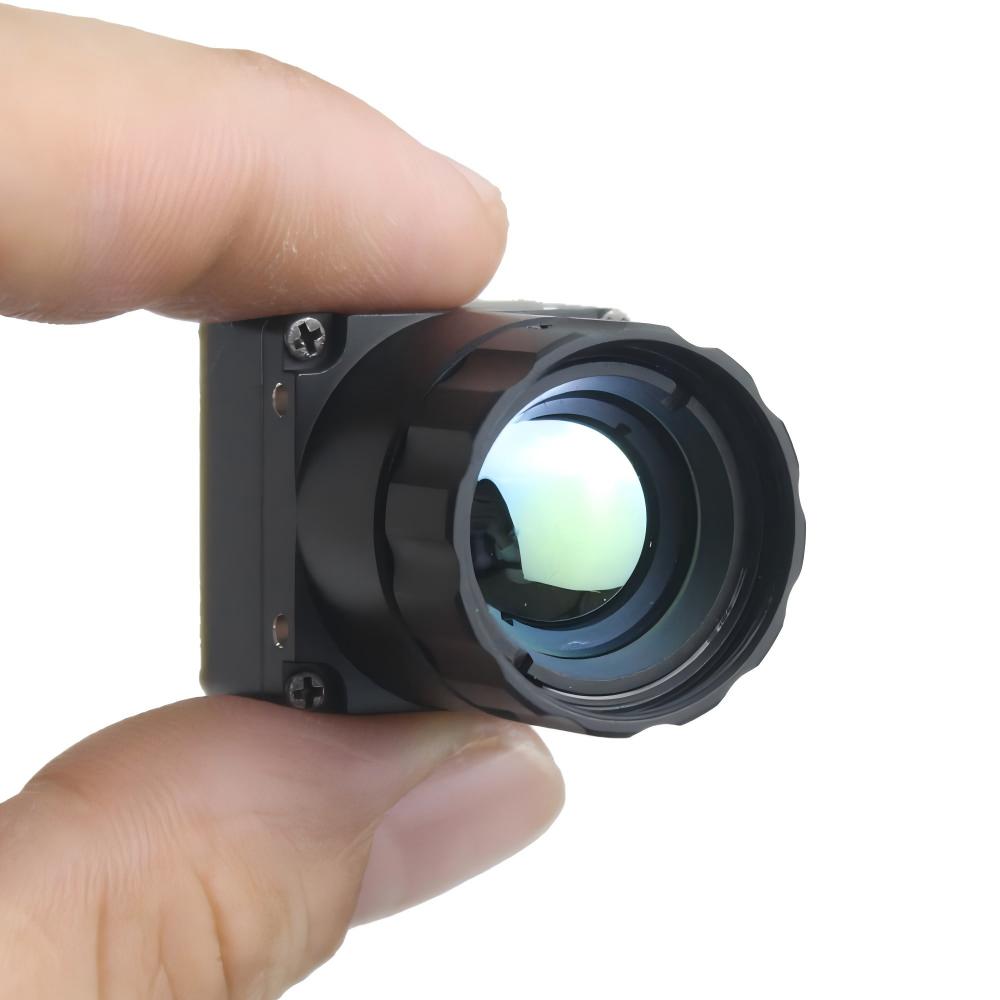
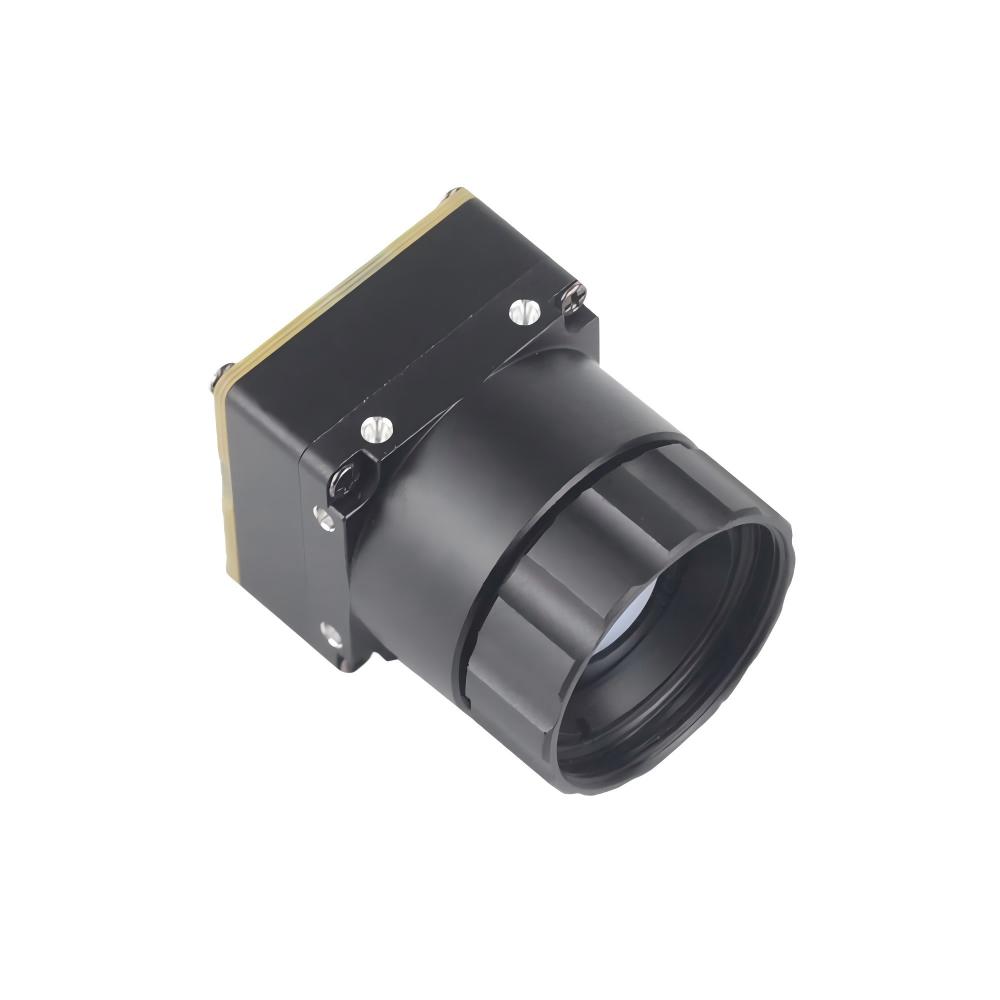
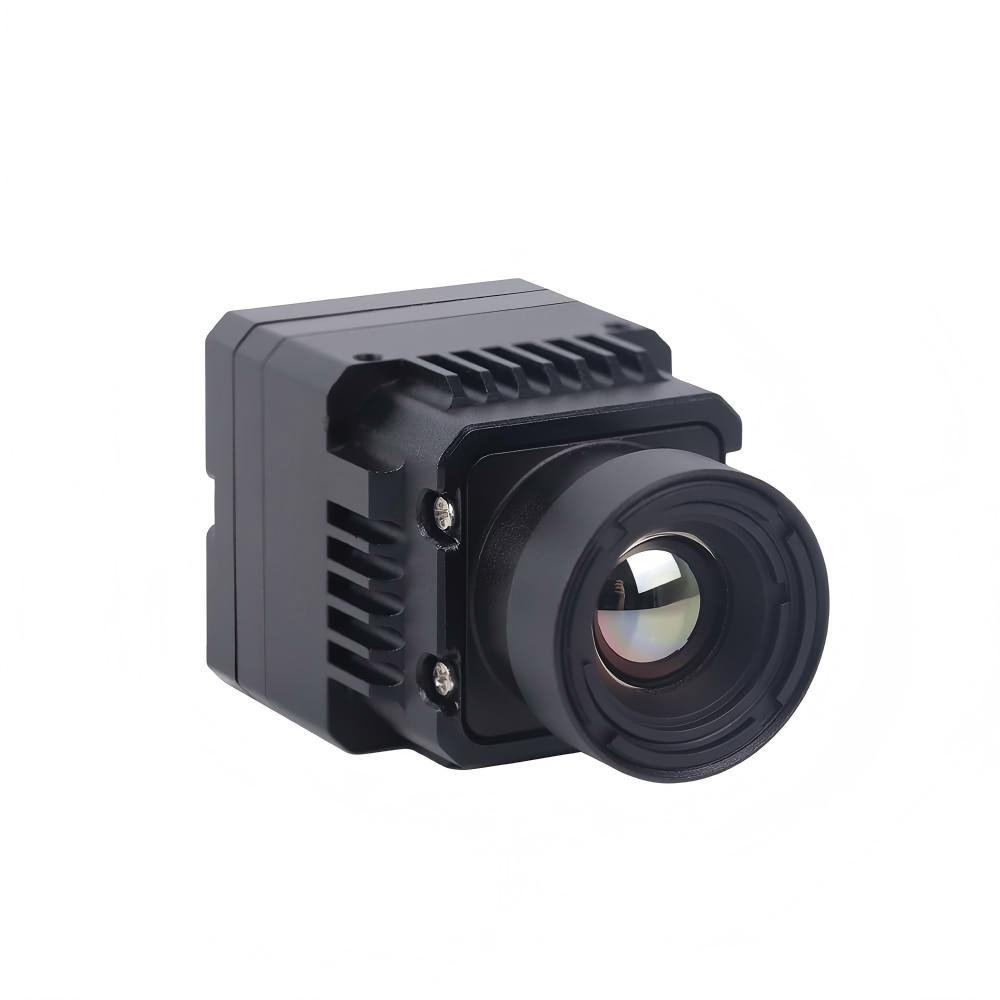
Built specifically for weight-sensitive UAV builds and mobile inspection systems, our flagship Mini 640x512 Thermal Core Module packs full 640x512 resolution thermal imaging into a compact 21mm × 21mm frame. Driven by a 12μm VOx microbolometer, it gives you crisp spatial clarity and clean temperature differentiation. Its driverless USB UVC stack lets you integrate instantly on Linux, Windows, or ROS (Robot Operating System) nodes without touching custom kernel builds.
With optical setups spanning from wide 5mm lenses (75.1° FOV) to 150mm telephoto setups, this camera fits multirotor inspection pods, fixed-wing mapping rigs, handheld inspection wands, and high-speed robotic vision setups where low weight and small footprints matter.
2. MD Series 384x288 Uncooled Infrared Thermal Camera Module
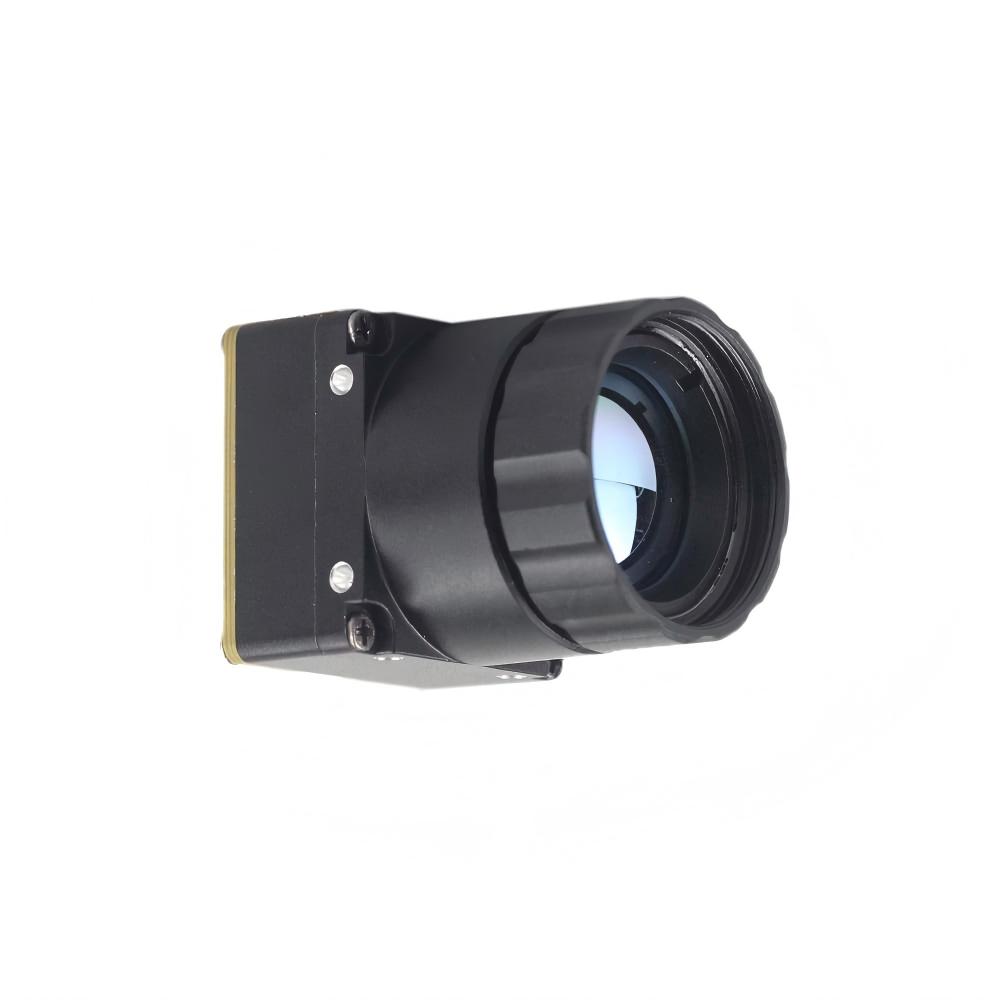
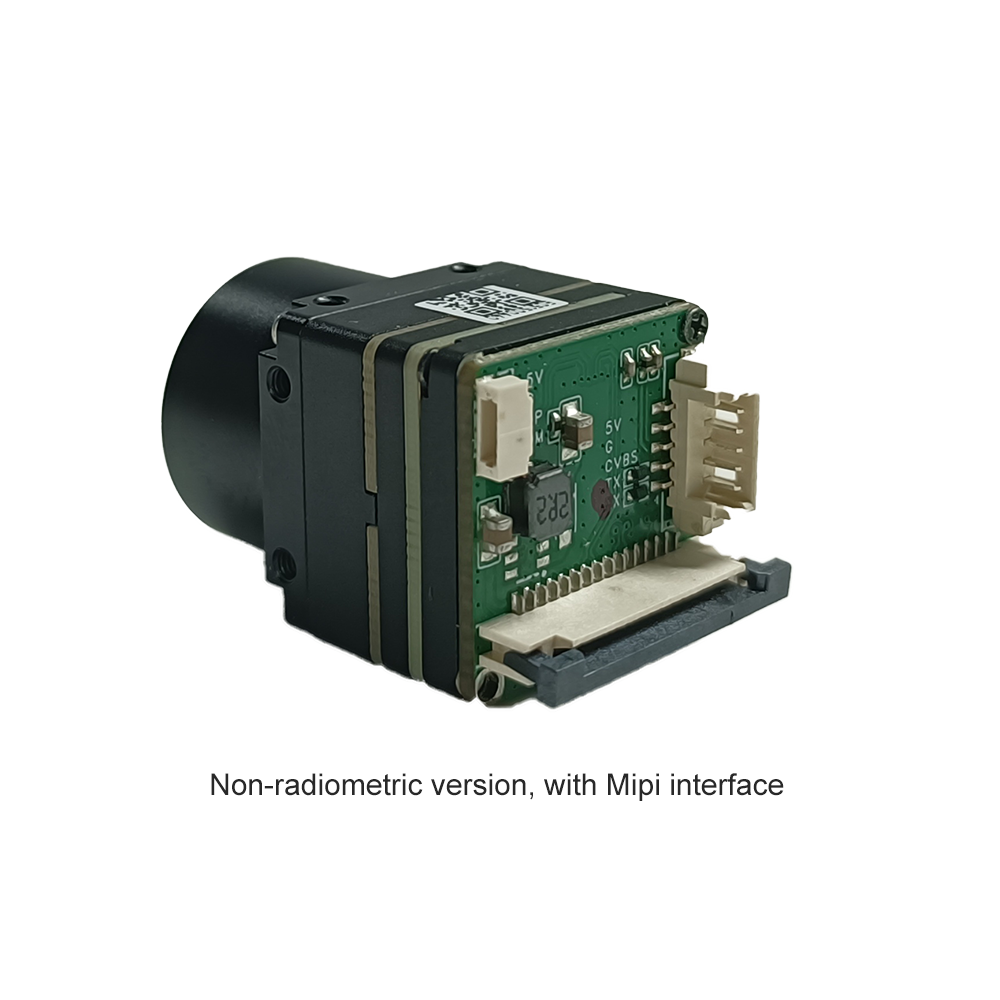
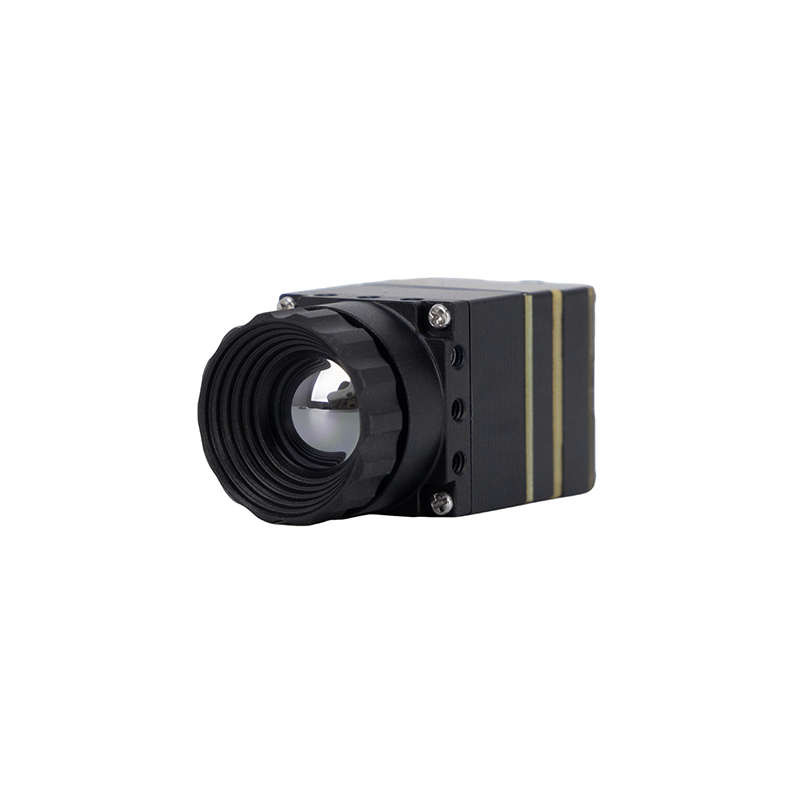
If your project calls for a solid 384x288 resolution footprint, the MD Series Thermal Camera Module delivers industrial-grade thermal sensing alongside versatile hardware output choices. Developed by an engineering team coming out of HKUST and Huawei HiSilicon, the MD Series handles MIPI, USB, and analog CVBS outputs off a single core setup.
Featuring a 12μm pixel pitch, high thermal sensitivity, and plug-and-play wiring, the MD Series gets deployed everywhere from plant security systems and power substation gear to heat alarm rigs and light commercial drone gimbals. Full OEM/ODM custom builds are supported for custom housing brackets, custom lens threads, and pinout changes.
Company Introduction Video
6. Deep-Dive Integration FAQ
Q1: Can this 640x512 thermal camera module stream high-resolution real-time video directly to a Raspberry Pi or Linux system?
uvcvideo driver automatically and assigns the camera core a video character device node (typically /dev/video0).
Because it registers as a native V4L2 device node, you can immediately pull live thermal video streams using standard open-source tools like FFmpeg, GStreamer, ROS (Robot Operating System) image pipeline nodes, or OpenCV without compiling proprietary kernel modules or handling closed binaries. On embedded single-board platforms like the Raspberry Pi 4/5 or the NVIDIA Jetson family, this eliminates software setup headaches and keeps OS kernel updates from breaking your software.
Q2: How does this module perform for drone integration compared to heavy payload alternatives?
Our Mini-640 LWIR core solves those problems with its 21mm × 21mm footprint and ultra-light board mass under 15 grams. By utilizing a 12μm microbolometer pixel pitch, the sensor hits full spatial resolution (640x512) while using smaller, lighter Germanium optical assemblies. Powered over a simple 5V USB connection, it eliminates extra power regulators and video converter boards. That streamlined build keeps performance high on commercial drones, custom UAV builds, and search-and-rescue rigs. To discuss custom enclosures, thermal stabilization options, or OEM lens mounts for airborne platforms, get in touch via our Contact Us Page.
Q3: Does the module support raw temperature data output or just color video?
1. Colorized Visual Stream (8-bit AGC Mode): In standard streaming mode, the core processor runs spatial noise filters, automatic gain control (AGC), and palette mappings (White Hot, Black Hot, Ironbow, Rainbow). This generates an uncompressed visual stream meant for direct display on ground screens or wireless monitors.
2. Raw Radiometric Stream (14-bit Mode): For thermographic checks and edge computer vision, the core streams raw 14-bit digital values per pixel across the USB connection. Every digital count directly reflects the raw infrared energy registered by each microbolometer element. Software on your host platform parses this data stream using calibration offsets to calculate absolute target temperatures across all 327,680 pixels. This makes the module ideal for automated fire detection, structural heat-loss mapping, and equipment health monitoring. To grab evaluation units or test kits directly, check out our Cart Page.
📚 References & Further Reading
- Industry Standard Edge AI Platforms: NVIDIA Jetson Embedded Computing Developer Ecosystem
- Open Source Vision Library: OpenCV Computer Vision Library & Documentation
- Related Payload Guide: Understanding Drone Thermal Imaging Pod Architecture & Integration
- Inquire for Engineering Support: Contact Our Custom OEM/ODM Engineering Team